Carpark Barriers Australia
Carpark Barriers Australia
-
What is a carpark barrier?View
A barrier system engineered for the low speed, close proximity impact conditions typical of car park environments, as opposed to highway speed containment. Design loads are governed by AS/NZS 1170.1, and the system's job is to contain the vehicle at the design force while keeping deflection within the available clearance to the deck edge or hazard.
-
How do car park barriers work?View
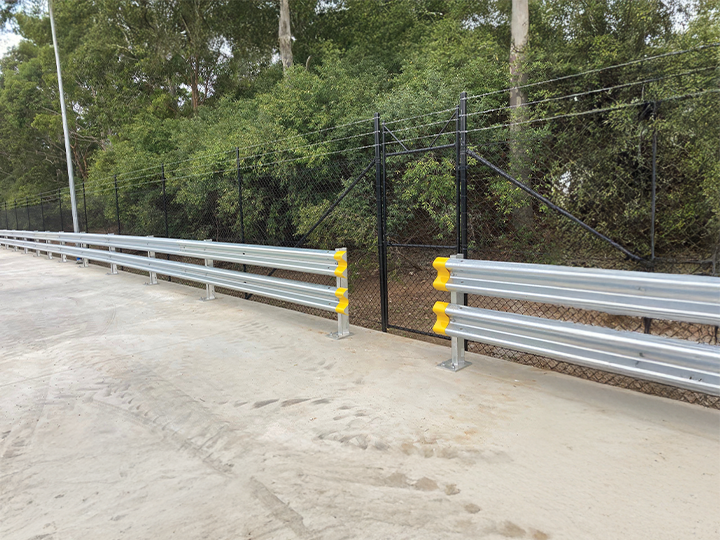
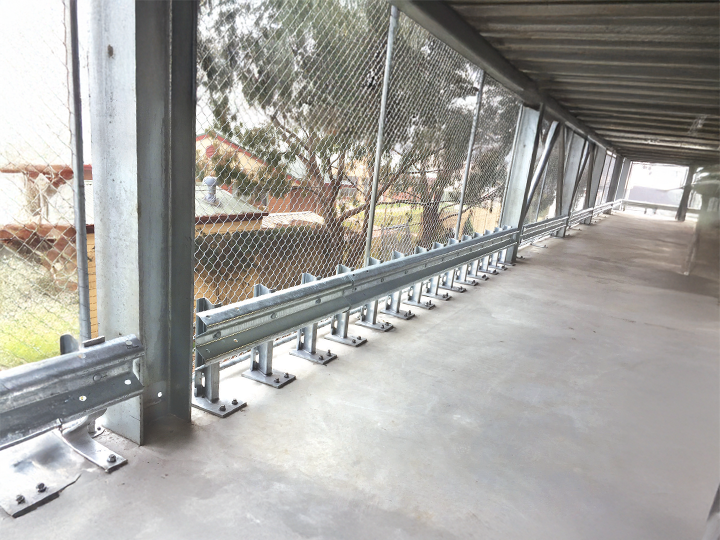
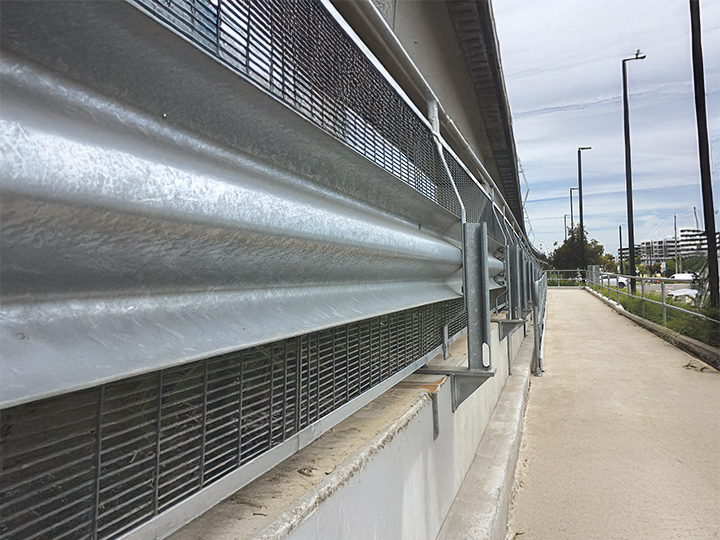
Most systems are semi rigid steel, a rail on posts anchored to the slab. Under a light nudge the post flexes and springs back elastically. Under a design level or over capacity impact, the post is designed to yield in a controlled way, absorbing load through post deformation rather than transferring it into the footing, which protects the structure from damage.
-
How high are car park barriers?View
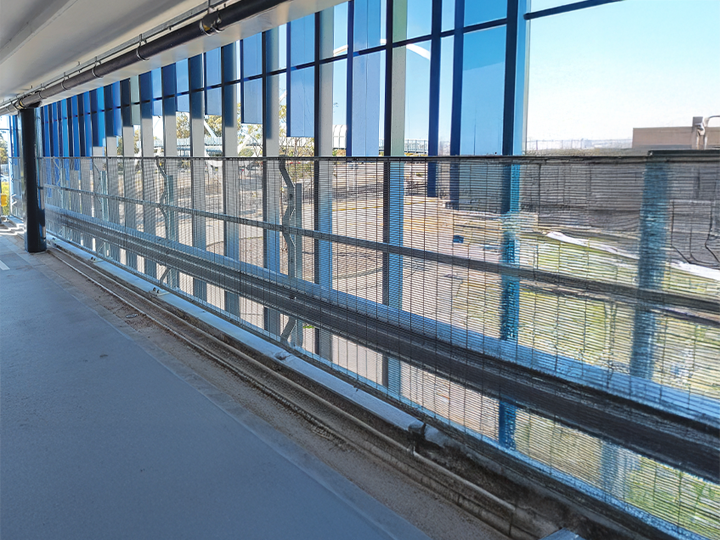
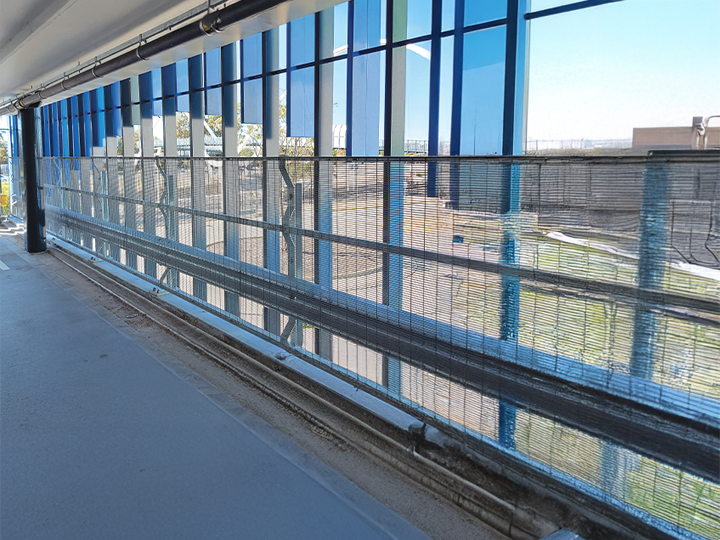
Car park barrier heights are generally set according to relevant design standards, and vary by system. Ingal Civil Products' ZEE-Park is designed with a 610mm post height, while ZEE-Park TruckShield has a 1055mm post height for heavy vehicle separation. Both are also compatible with anti-climb mesh up to 1800mm high where extra edge protection is needed on ramps or perimeters.
-
What are the types of carpark barriers?View
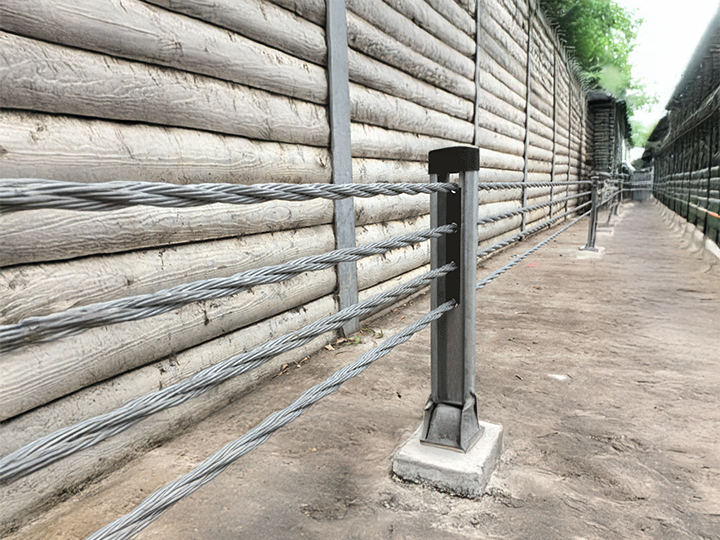
Carpark barrier types include steel rail systems, mesh barriers, and cable or wire rope based systems, chosen depending on the structure's design, required containment level, and aesthetic preferences. Ingal Civil Products' ZEE-Park range covers this with variants including ZEE-Park Sentinel for high containment areas such as ramp ends, ZEE-Park TruckShield for heavy vehicle separation in freight and logistics areas, and ZEE-Park DeckGuard for perimeter edge protection.
-
Do carpark barriers need to be crash tested?View
Yes, carpark barrier systems are tested to confirm they meet required containment performance for the vehicle speeds and weights expected in a car park environment. Ingal Civil Products' ZEE-Park range is tested and compliant with AS/NZS 1170.1, the Australian standard for barrier design loads in car parks, with variants such as ZEE-Park Sentinel tested to exceed the standard's 240kN force requirement for high containment areas like ramp ends.
-
Can carpark barriers be used on rooftop car parks?View
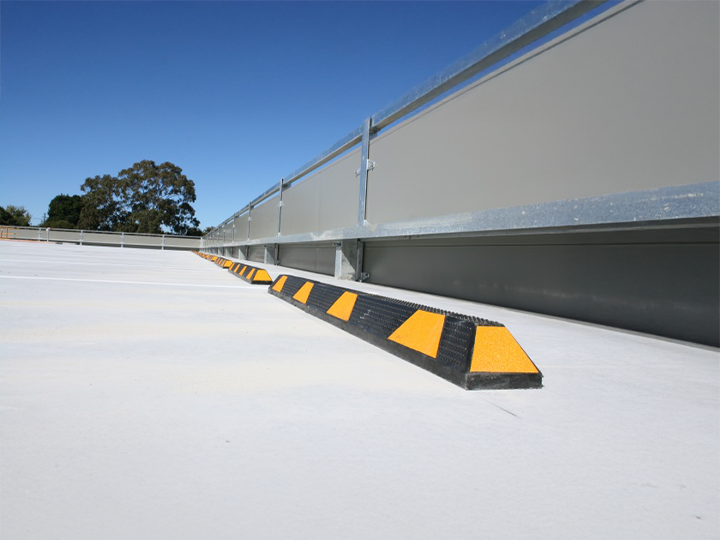
Carpark barrier systems can be used on rooftop and elevated car parks, with the specific system chosen based on the structural requirements and fall height considerations of that level.
