End Terminals Australia
End Terminals Australia
-
What is a guardrail end terminal?View
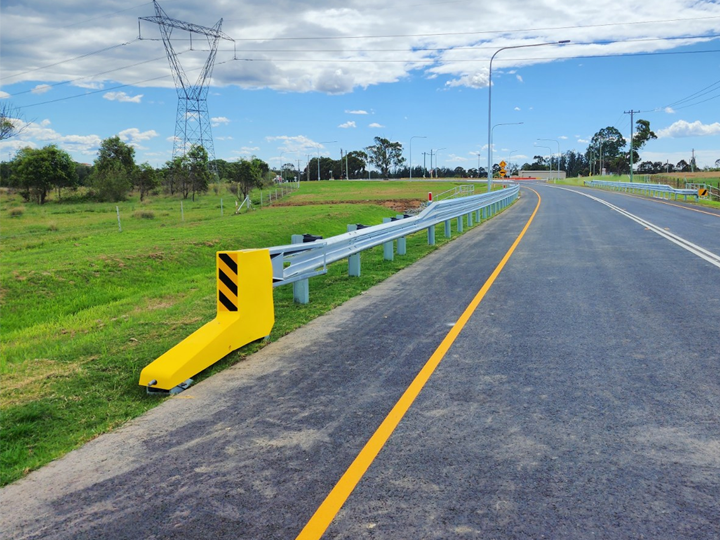
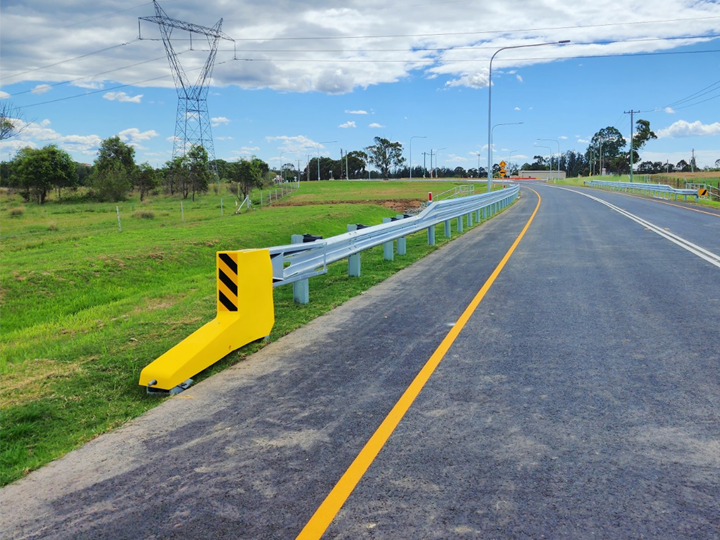
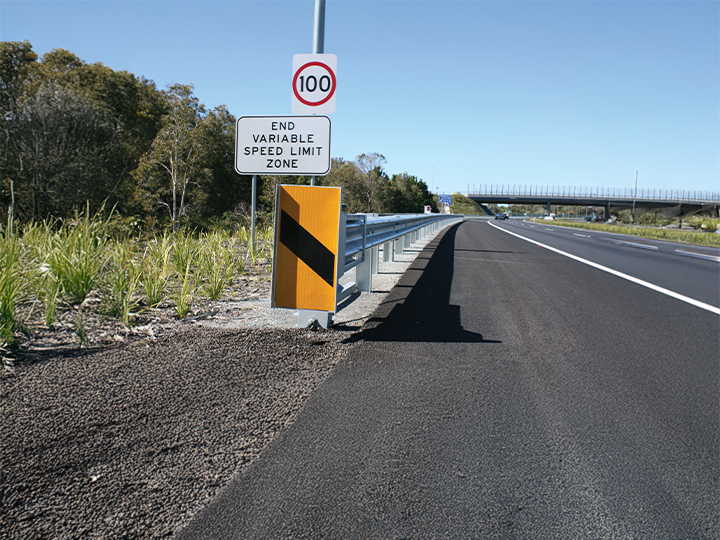
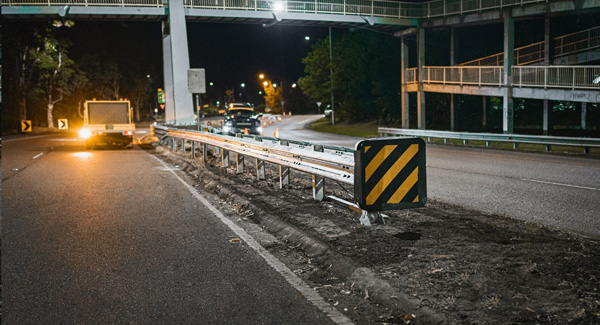
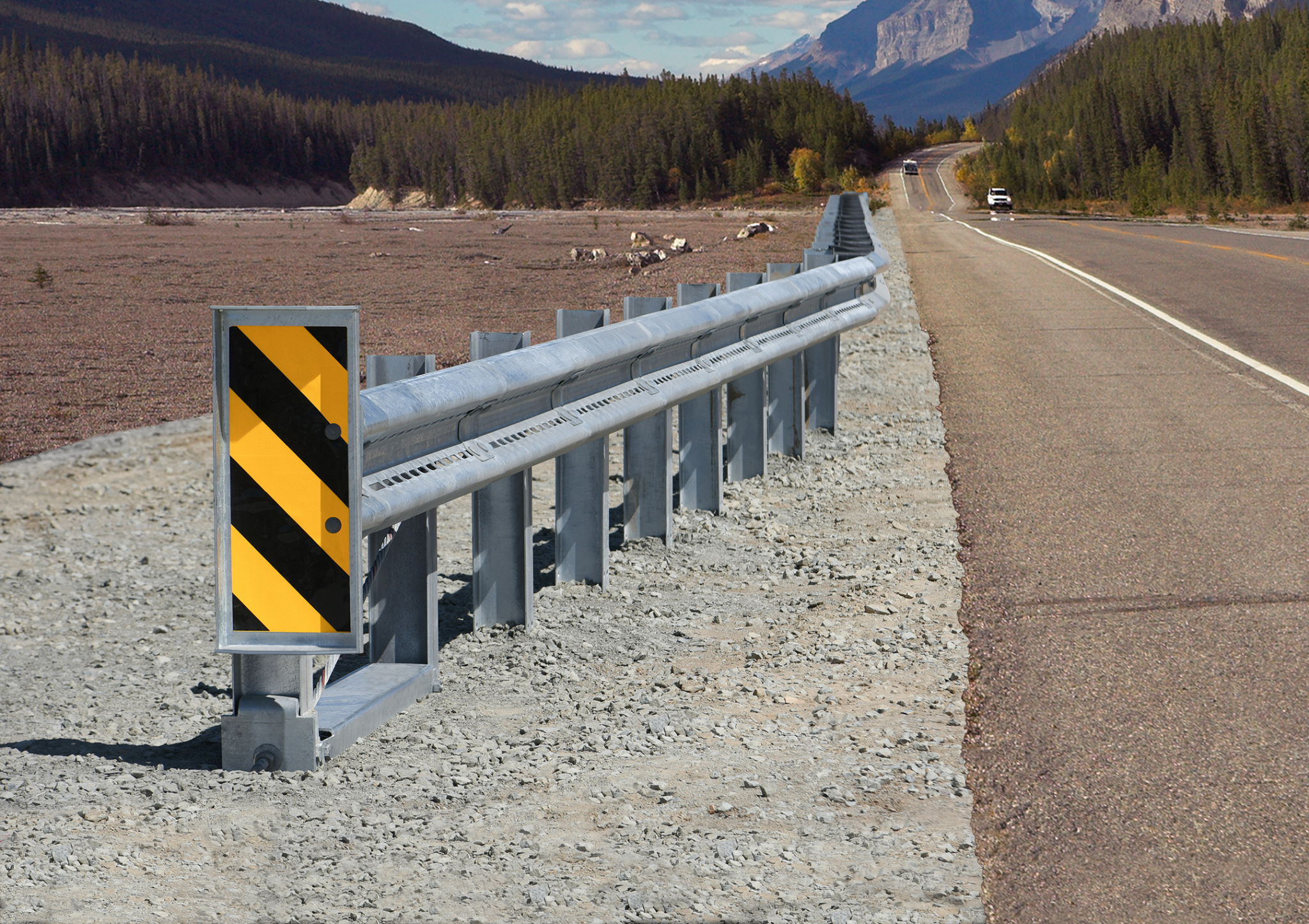
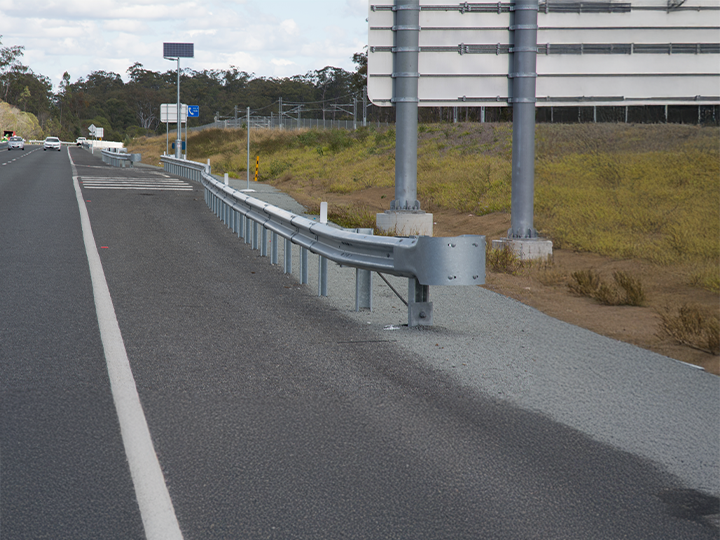
The treatment applied to the terminating section of a guardrail run, engineered to manage impact energy at the point where the rail would otherwise present a blunt, unyielding edge to an errant vehicle. The terminal is designed to absorb the impact energy and manage the vehicle safely instead.
-
What are the types of guardrail end terminals?View
End terminals generally fall into two categories, gating terminals that allow controlled release of the rail, and non gating terminals designed to redirect the vehicle without releasing the barrier. Ingal Civil Products' range includes the 4F-T and TREND 350, which use controlled rail extrusion or deformation as gating terminals, and the ET-SS, an anchored terminal that redirects vehicles without releasing the rail as a non gating option.
-
Why do guardrails need end terminals?View
Without an end terminal, the blunt end of a guardrail can spear a vehicle or launch it on impact. The terminal is purpose built to prevent that, either by absorbing energy through controlled deformation or by redirecting the vehicle away.
-
What is the difference between an end terminal and a crash cushion?View
An end terminal is designed specifically to treat the end of a guardrail run, while a crash cushion is a standalone device used to shield a fixed hazard, such as a bridge pier or gore point.
-
How are end terminals tested?View
End terminals are crash tested under MASH, hitting the terminal at different points to confirm it behaves safely whether struck head on, at an angle, or side swiped along its length.
-
Can any guardrail system use any end terminal?View
No, end terminals are engineered and tested as a system with a specific guardrail type, so compatibility between the terminal and the guardrail system needs to be confirmed.
