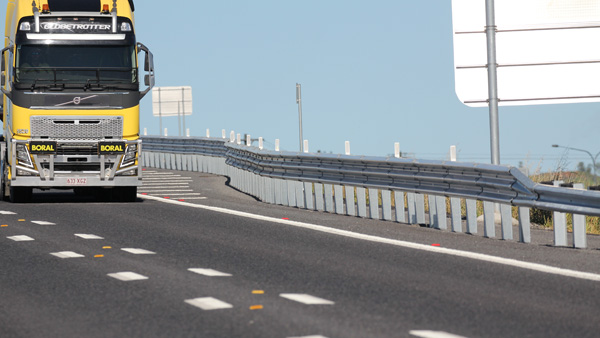
Guardrails New Zealand
Guardrails New Zealand
- Ezy-Guard 4
- Learn more
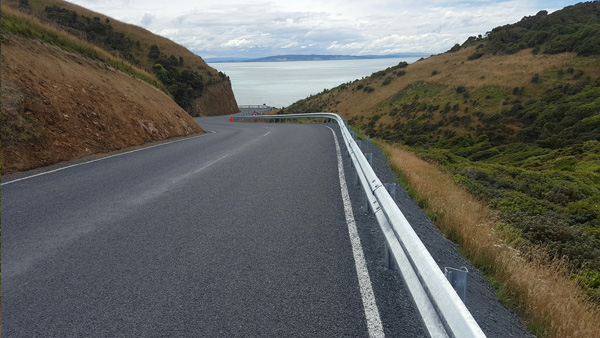
- Ezy-Guard Smart
- Learn more
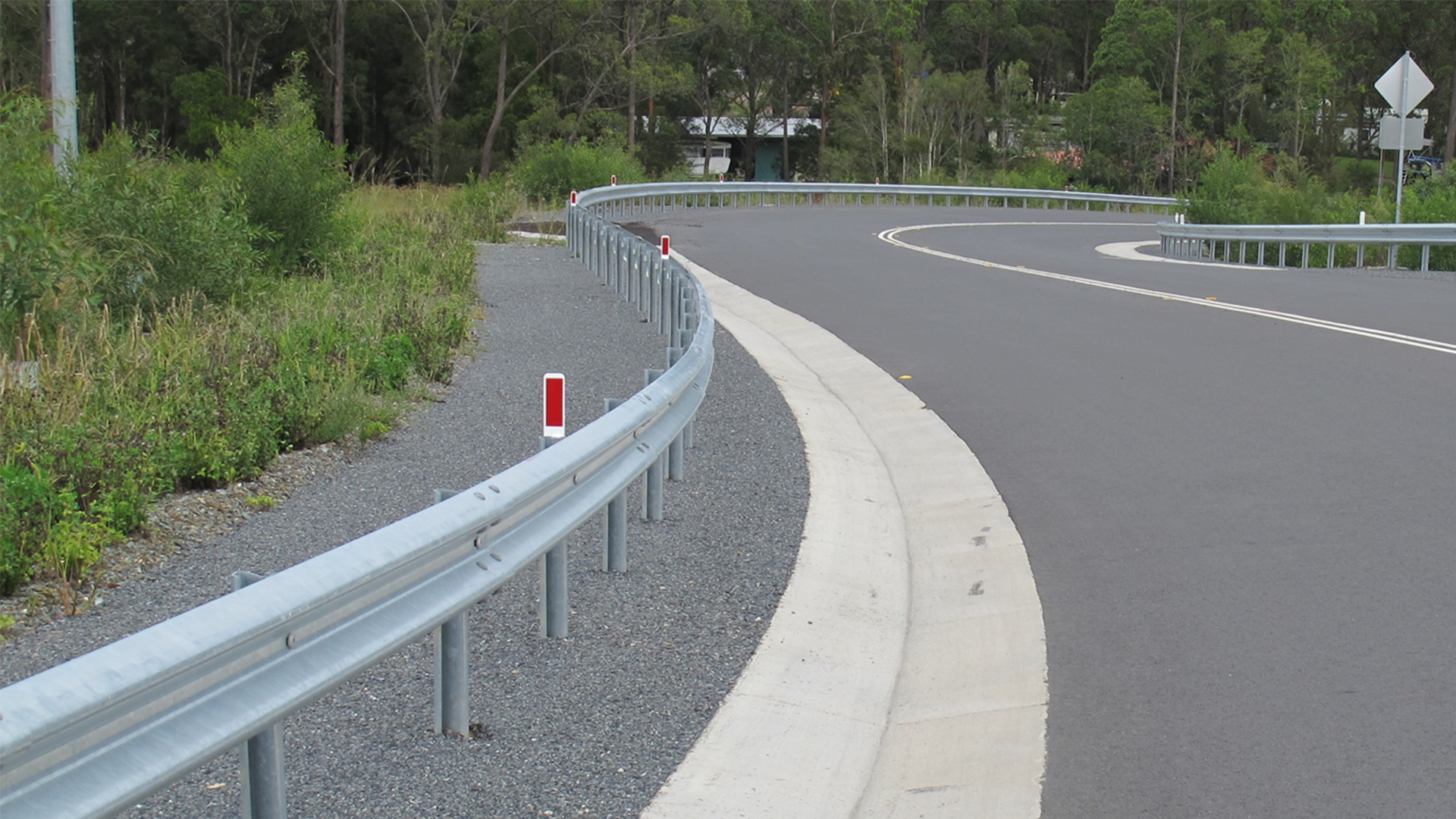
- Ezy-Guard Heavy Duty (HD)
- Learn more
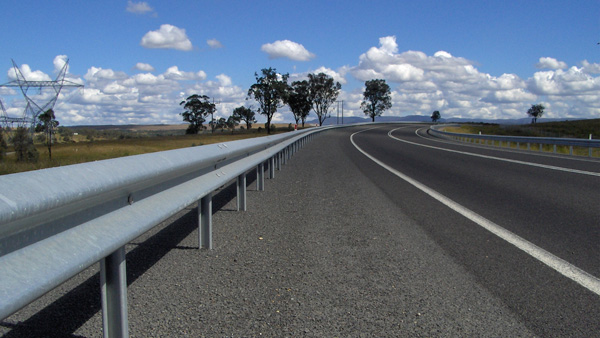
- Ezy-Guard High Containment (HC)
- Learn more
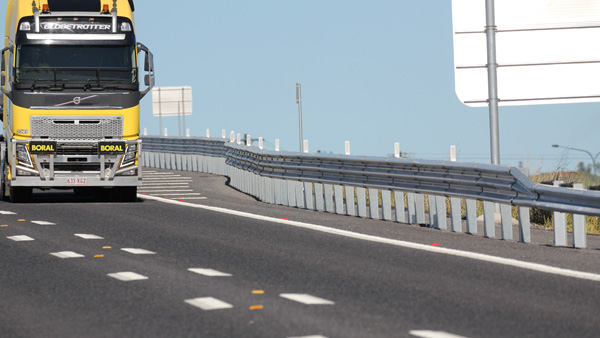
- Ezy-Guard Low Deflection System (LDS)
- Learn more
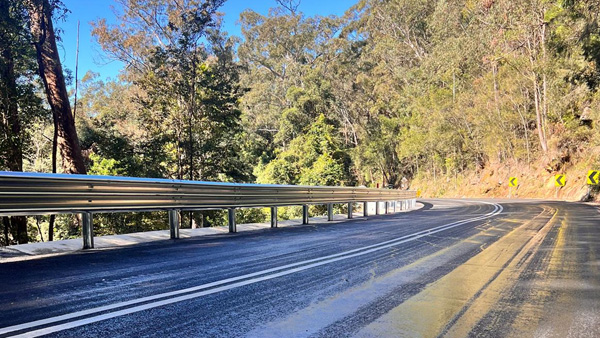
- Ingal MPR Motorcyclyist Protection Rail (MPR)
- Learn more
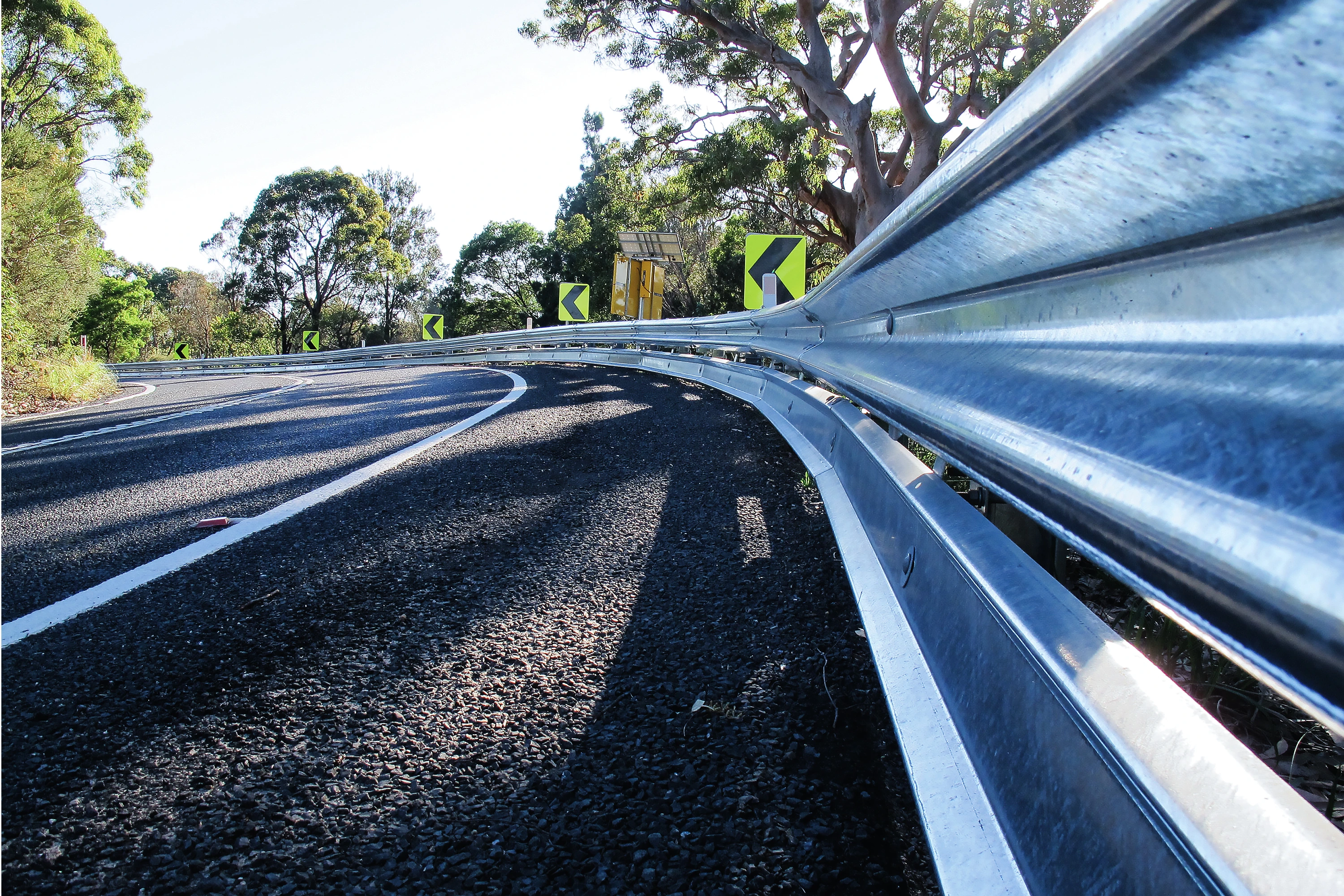
- Ingal Elevated Barrier
- Learn more
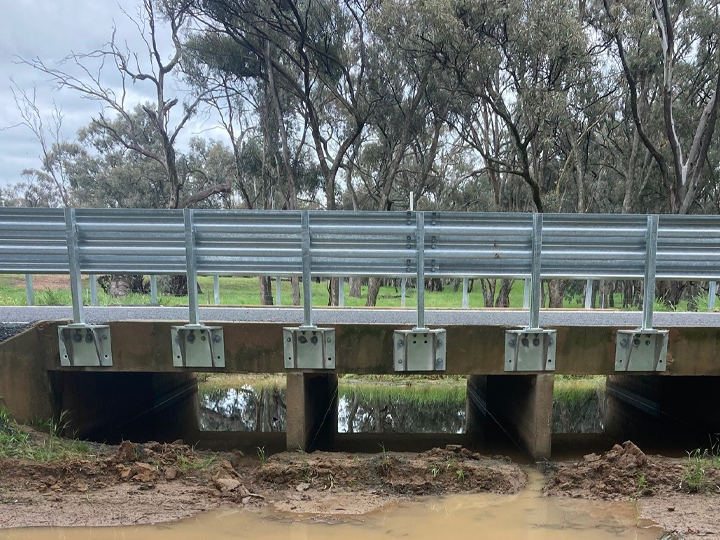
- Long Span Barrier
- Learn more
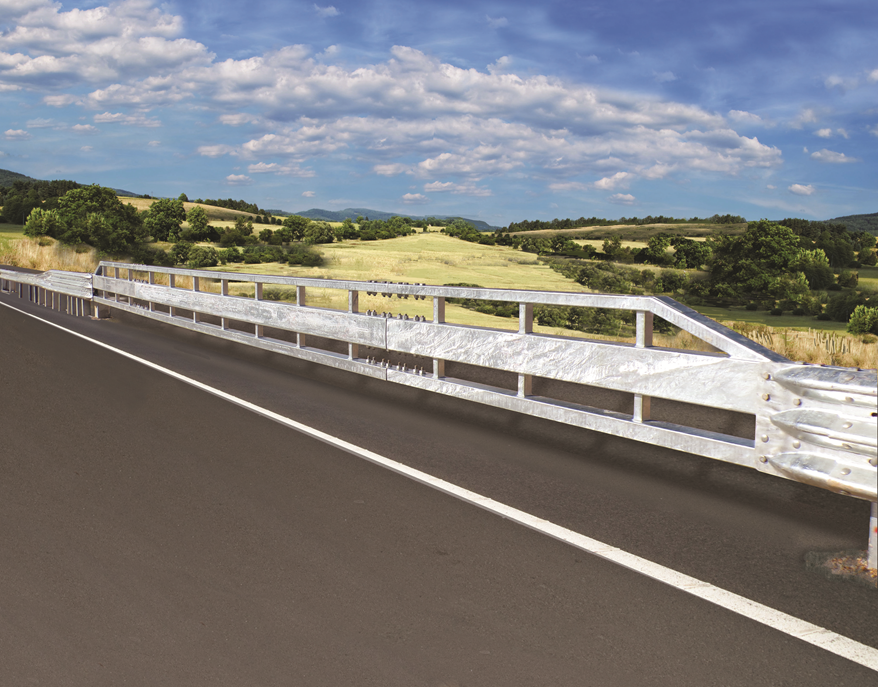
- Guardrail Rigid Transition
- Learn more
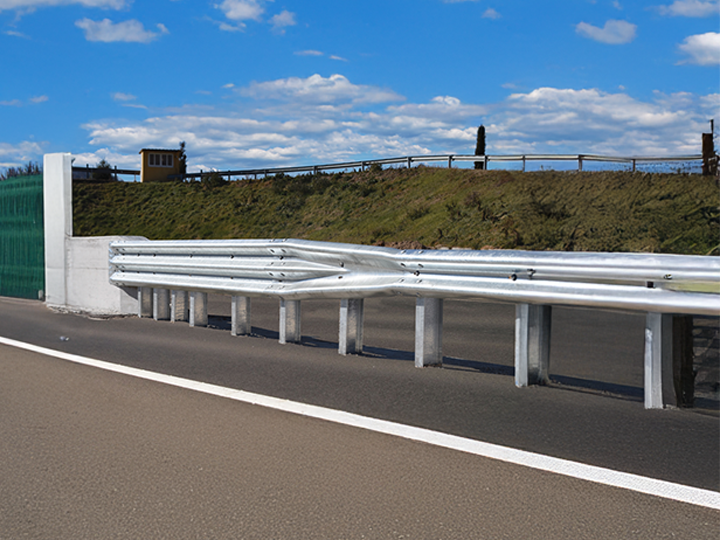
- ASBAP Rigid Transition
- Learn more
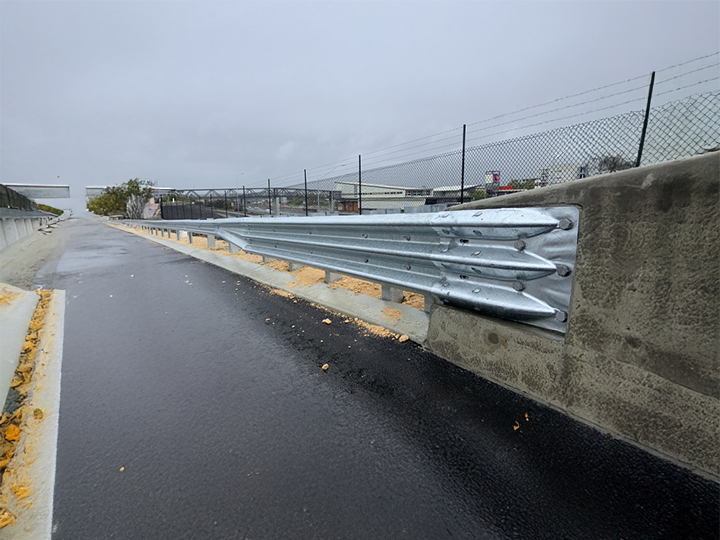
- Ingal Rigid Barrier Transition (RBT)
- Learn more
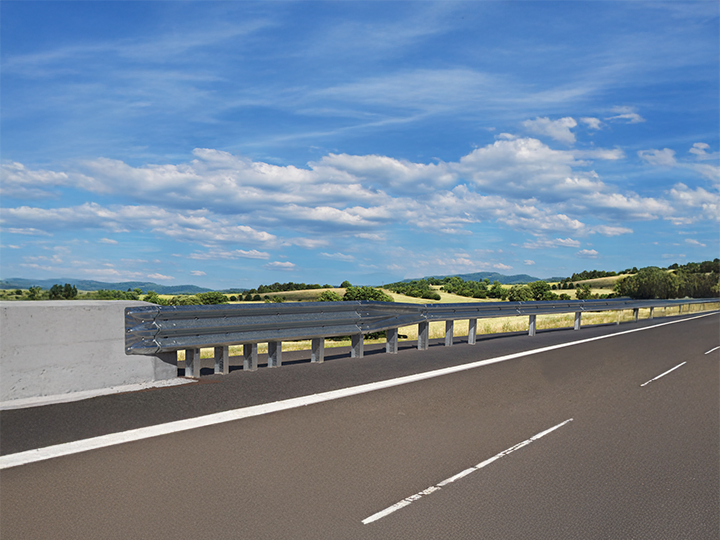
- Ezy-Lift
- Learn more
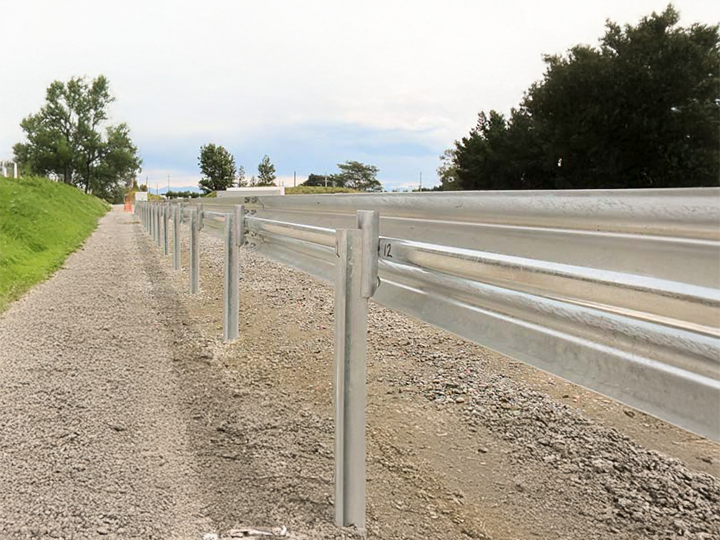
- Flexbeam W-Beam
- Learn more
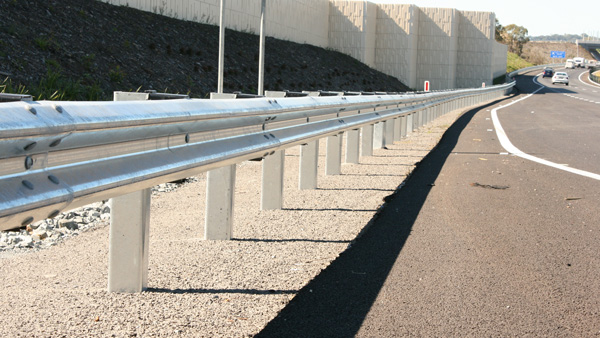
- Flexbeam Thrie-Beam
- Learn more
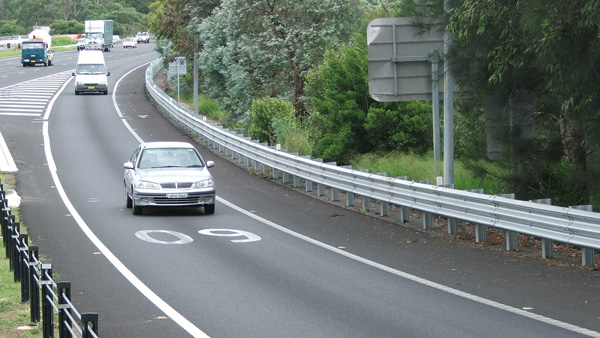
- RSB-5M Transition
- Learn more
- Delineators and Chevrons
- Learn more
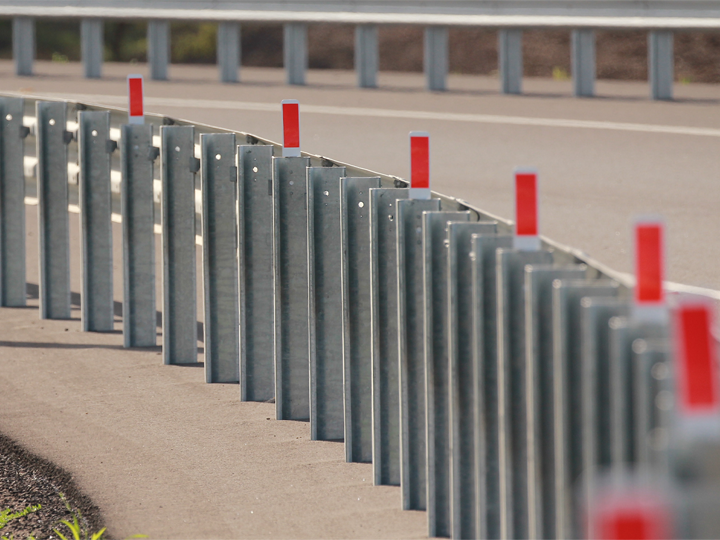
- Post Caps
- Learn more
-
What is guardrail?View
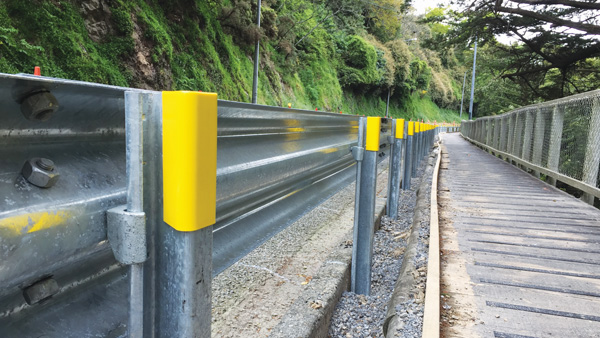
Guardrail is a semi rigid longitudinal barrier system designed to prevent vehicles from leaving the roadway and colliding with hazards such as embankments, structures, or oncoming traffic. It relies on controlled deflection and redirection to manage an errant vehicle's energy, deforming on impact and dissipating energy through the rail and post system rather than resisting the vehicle head on.
-
What is W-Beam guardrail?View
W-Beam guardrail is a type of safety barrier made from a corrugated steel rail shaped like a W in cross section, mounted on posts. The corrugation provides beam strength in the vertical plane while the profile allows lateral deflection under load.
-
What is guardrail post spacing?View
Post spacing refers to the distance between guardrail support posts along a barrier run. Spacing affects the system's dynamic deflection and working width, with closer spacings generally providing greater strength.
-
What are the types of guardrail?View
Ingal Civil Products offers a full range of guardrail systems, including W beam and Thrie beam barriers. Within these, the range includes Ezy-Guard Smart, Ezy-Guard 4, and Ezy-Guard HC, along with the FlexBeam W-Beam Guardrail and ThrieBeam systems, each suited to different containment levels and site requirements.
-
How is guardrail tested for compliance?View
Guardrail systems are crash tested under standards such as MASH to confirm they meet required containment levels and perform safely during vehicle impacts. The results are assessed against occupant risk criteria (occupant impact velocity and ridedown acceleration), structural adequacy (containment and redirection without rail rupture or post failure), and post impact vehicle trajectory.
-
Where is guardrail typically installed?View
Guardrail is commonly installed along highways, local roads, rural roads and areas with roadside hazards such as steep embankments. You'll also see it around rigid objects like sign gantries, light poles, and bridge abutments where relocating the hazard isn't practical. Basically, anywhere leaving the road that puts a vehicle up against something worse than the barrier itself.
